How to start a home-based cake business
A cake business can be a practical first business if you enjoy baking, presentation and working to customer requests.
You can often start small from home with a simple menu and local orders. But it is not just “bake cakes and sell them”. Food safety, pricing, timing, ingredients, allergens and customer expectations all matter from the start.
This page will help you decide whether a cake business fits your time, kitchen setup, budget and confidence.
Startup Cost
Low to moderate, depending on equipment and ingredients
Can start part-time?
Yes, but order deadlines matter
Works from home?
Often, if your kitchen and setup are suitable

Best for
Creative, organised people who enjoy baking and customer requests
Main challenge
Pricing, food rules, time pressure and consistency
Is a cake business a good idea?
A cake business can be a good starting point because customers already understand the offer. Birthdays, family events, seasonal treats and workplace occasions all create reasons for people to buy.
It can also work well locally. Good photos, word of mouth and repeat occasions can help you build interest without needing a large shop or full bakery setup.
You can start with small orders before moving into bigger events. Cupcakes, brownies, treat boxes or simple celebration cakes are often easier to test than complex wedding cakes or large custom orders.
But it is easy to underestimate the work. Ingredients, packaging, decoration time, customer messages, last-minute changes, food safety and delivery all affect whether the business is worth your time.
A cake business can be creative and rewarding, but it still needs structure.
Who home-based cake businesses could suit
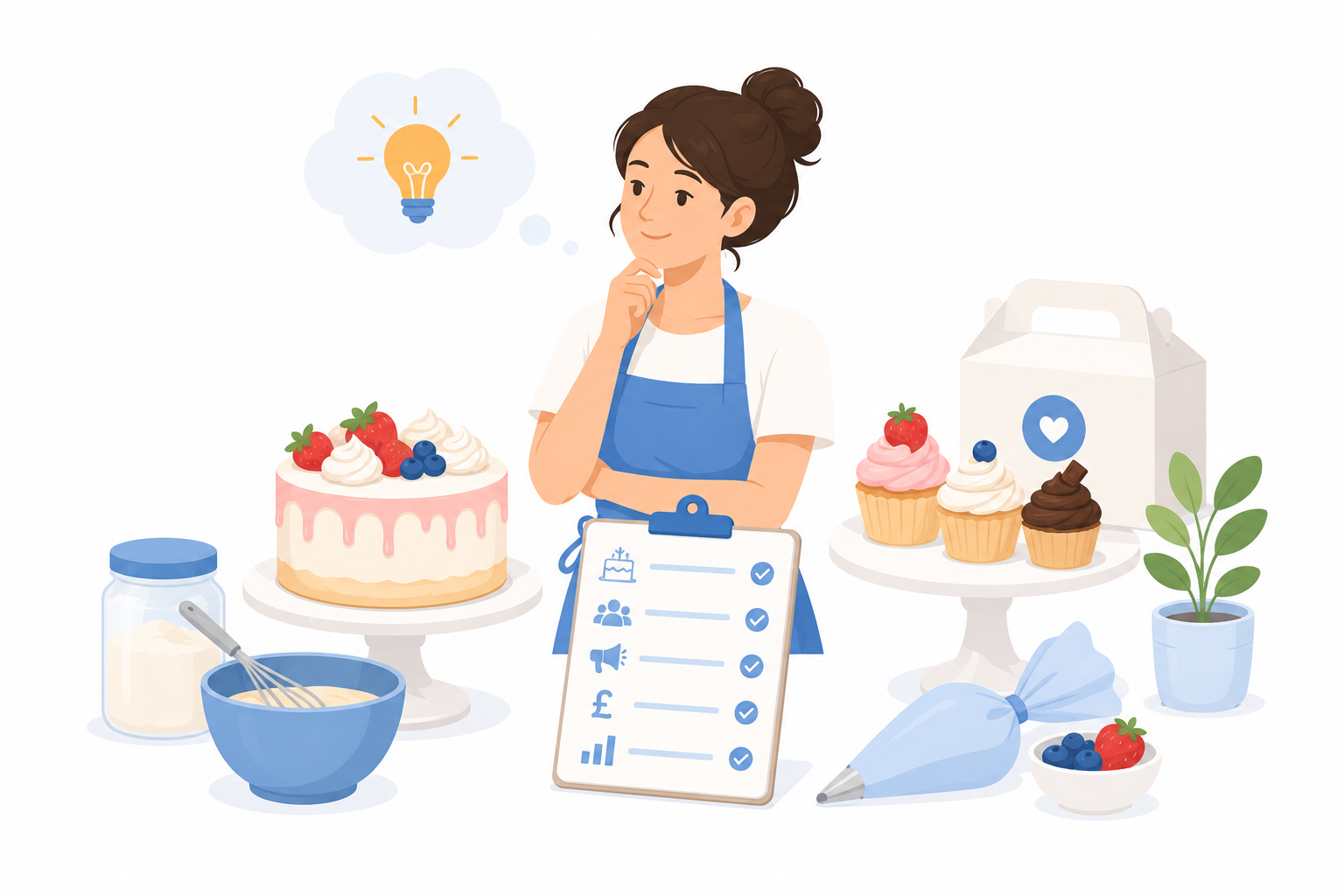
A cake business may be a good fit if you:
- enjoy baking and decorating
- like creative, visual work
- can follow recipes and processes consistently
- are organised with timings and deadlines
- are comfortable with customer requests
- can price ingredients, time and extras properly
- want a business that can start from home
- are willing to check food safety and legal requirements
You do not need to launch with a full menu. A small, clear offer is usually easier to test.
Who it may not suit
A cake business may not be right for you if you:
- dislike detailed, time-sensitive work
- find customer requests stressful
- do not want to handle food rules or hygiene requirements
- struggle to price your time properly
- need a business with very predictable hours
- do not have a suitable kitchen or storage setup
- dislike taking photos or marketing visually
- want something with no weekend or event pressure
This does not mean you cannot start a business. It may mean another idea fits your time, space or working style better.
Is a cake business right for you?
Answer a few quick questions to see whether selling cakes from home could fit your time, kitchen setup, confidence with customer orders and willingness to check food rules.
This is not a pass or fail test. It is a simple way to check whether this idea is worth exploring, whether you should start with a small test, or whether you need to sort a few basics before selling.
Before taking paid orders, check the latest food business rules for your area.

Cakes or baked goods?
Start with a small menu. A clear offer is easier to price, photograph and repeat.
Simple starter options include:

Cupcakes
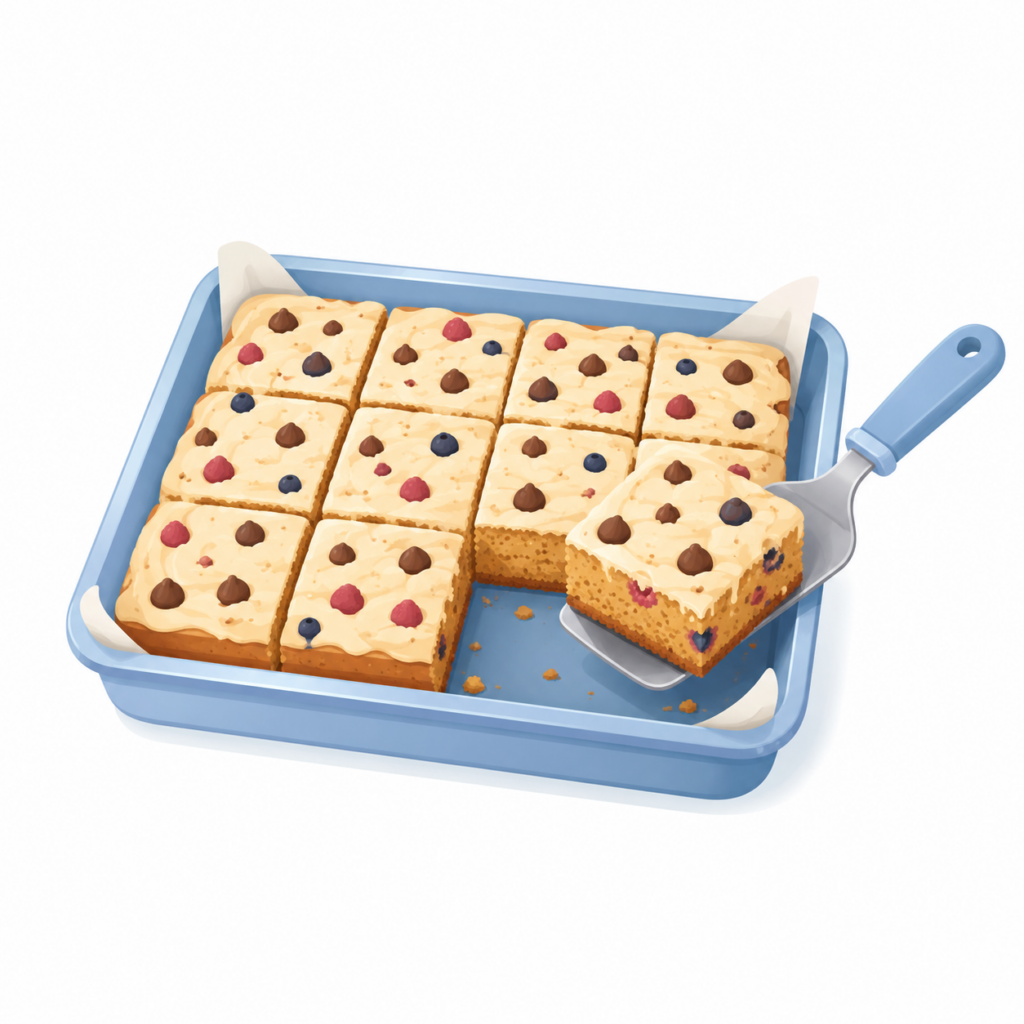
Tray bakes
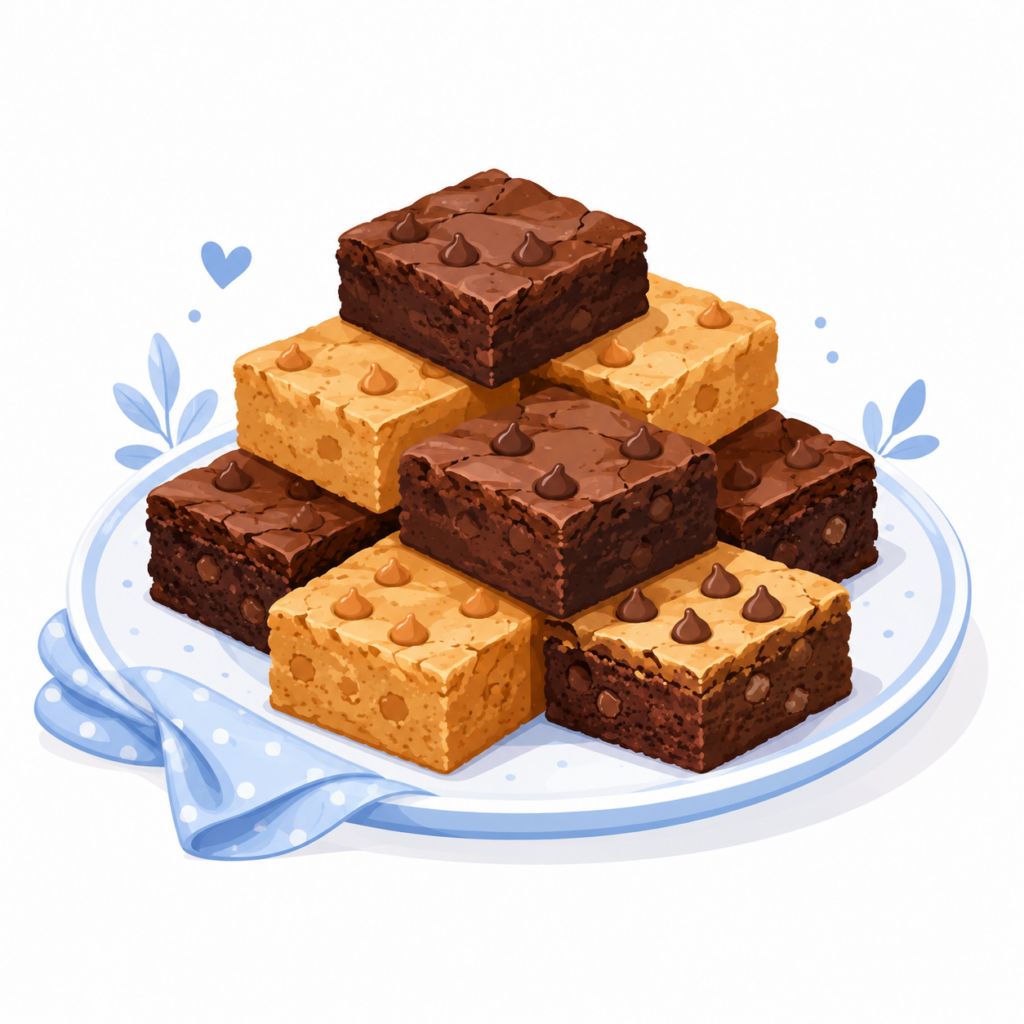
Brownies or blondies
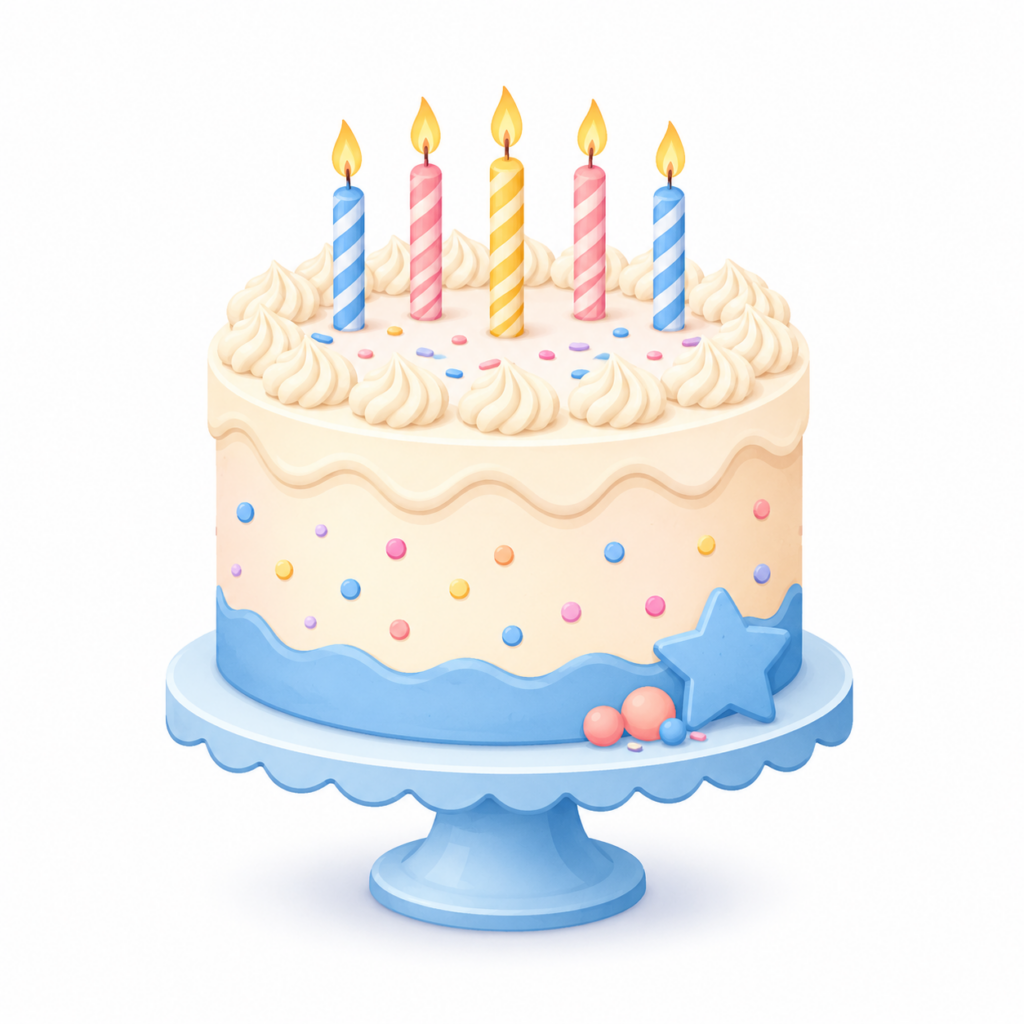
Birthday cakes
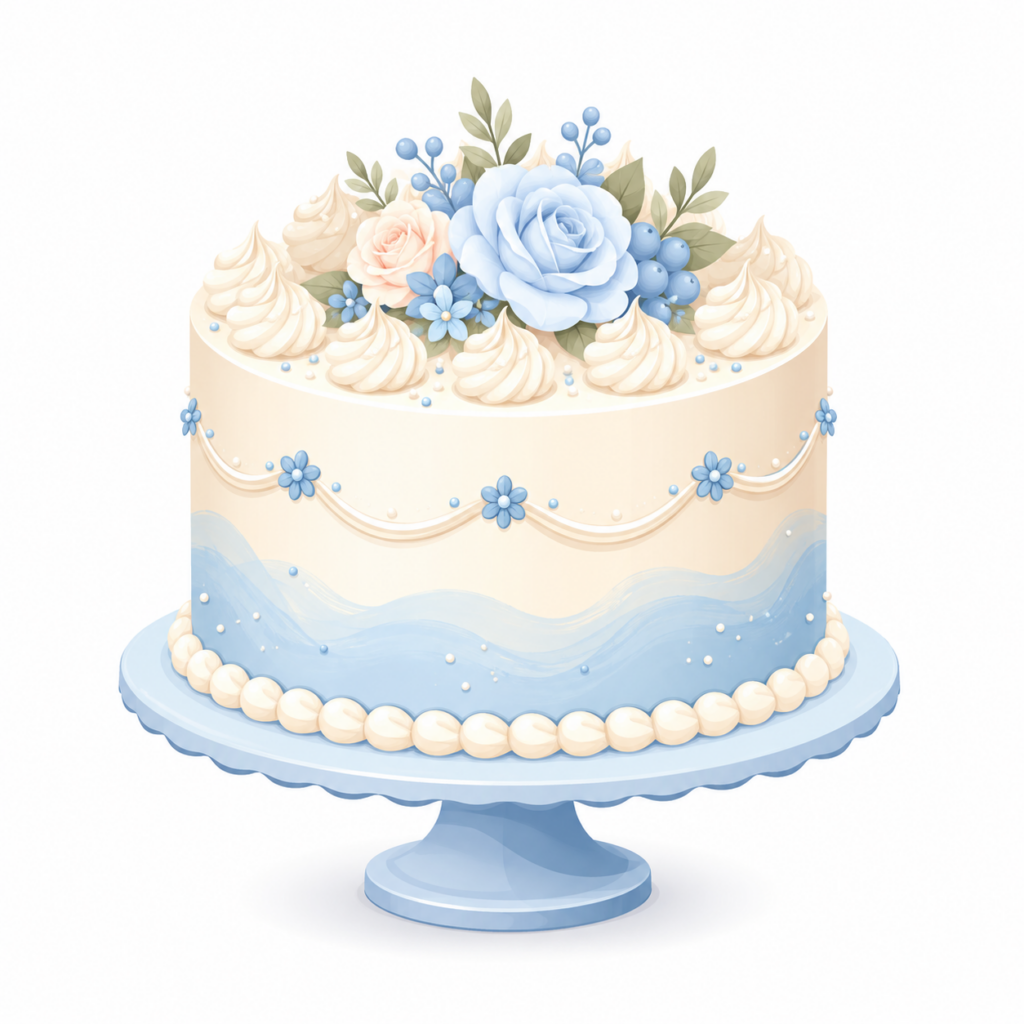
Celebration cakes

Biscuits or cookies
Quick Links
Take the Business Idea Quiz
Browse More Business Ideas
Free Tools & Templates
Want the step-by-step version?
The home-based cake business launchpad gives you everything in one place.
- Launch checklist
- Equipment checklist
- Pricing guide
- Customer Scripts
- Flyer & Social templates
- Business profile setup
What do you need to start?
You do not need a full bakery setup to begin, but you do need the basics in place before selling.
Equipment and supplies
Depending on what you sell, you may need:
- mixing bowls
- scales
- baking tins
- mixer, if needed
- cooling racks
- spatulas and scrapers
- piping bags and nozzles
- cake boxes and boards
- labels and packaging
- ingredient storage
- fridge or freezer space, if needed
The Food Standards Agency says anyone who sells, cooks, stores, handles, prepares or distributes food for the public needs to register as a food business, and new food businesses are required to register at least 28 days before trading.
Admin
You will also need:
- a business name
- a simple menu
- price list
- order form
- deposit or payment process
- collection or delivery policy
- ingredients and allergen information process
- income and expense records
This does not need to be fancy. A simple system you actually use is better than a complicated one you avoid.
Trust and safety
Before selling, think about:
- food business registration
- food hygiene knowledge or training
- food safety management
- allergen handling
- public or product liability insurance
- safe storage and transport
- customer terms and cancellation policy
How much does it cost to start?
The cost depends on what you already have and how polished your first version needs to be.
Low-cost version
A low-cost version may include:
- equipment you already own
- a small menu
- local collection only
- simple packaging
- free social media or hosted profile presence
- basic photos taken at home
This can help you test demand before spending too much.
More polished version
A more polished setup may include:
- better baking equipment
- cake boxes and boards
- food hygiene training
- insurance
- printed labels
- branded packaging
- improved photography
- paid local marketing
💡Before you spend
Avoid buying lots of tins, tools, packaging or ingredients before you know what you are selling and whether people will order.
A simple cupcake box or brownie tray may need a very different setup from a custom celebration cake.
Cake business startup cost calculator
Use this simple calculator to estimate what you may need to spend before starting a small cake business from home.
This is only a rough planning guide. Your actual costs will depend on what you already own, what you plan to sell, your ingredients, packaging, insurance choices, training needs and how polished you want your first setup to be.
Avoid buying lots of tins, tools or packaging before you know what you are selling and whether people will order.
This estimate does not include tax, National Insurance, unpaid cancellations, replacement equipment, ongoing products needed, every travel cost, accountant fees or all possible insurance needs. It is a rough planning tool, not financial, tax or insurance advice.
How much can you charge?
There is no single right price. Your price needs to cover ingredients, packaging, time, skill, admin, customer messages, design changes and delivery or collection arrangements.
Common pricing options include:
- cost-plus pricing
- price per item
- package pricing
- custom quote
- delivery fee
- deposits for custom orders
Charging too little can make the business hard to sustain. Baking may feel familiar, but paid orders still take time, planning and care.
Starter pricing questions
Before setting a price, ask:
- What ingredients are used?
- How long does baking and decorating take?
- How much packaging is needed?
- Is delivery or collection included?
- Is this a standard product or custom order?
- Is there a deposit or minimum order?
- What happens if the customer changes the design?
How to get your first customers
Your first customers do not need to come from a perfect brand. They usually come from a clear offer, good photos and reliable communication.
👨👩👧👦 friends and family first orders
📱local Facebook groups
📸Instagram or TikTok photos
👥school or community groups, where appropriate
🎪local fairs or markets, if suitable
📍local business treat boxes
🏢Google Business Profile, if serving a local area
⭐asking early customers for reviews
Good photos help, but you do not need a perfect brand before you test demand.
A useful first message could be:
I’m starting a small local cake business and taking a limited number of first orders for cupcake boxes and simple celebration bakes. I’ll be keeping the menu small to start, with clear prices and agreed collection times. Message me if you’d like to check availability.
What your first offer could look like
Cupcake box for birthdays and small events
For local customers who want a simple celebration option without ordering a large custom cake.
This kind of starter offer makes the business easier to price, explain, photograph and repeat.
Includes
- box of 6 or 12 cupcakes
- choice of 2–3 flavours
- simple buttercream decoration
- collection from local area
- basic message topper optional
Does not include
- complex custom designs
- allergy-free guarantees unless properly set up
- delivery outside agreed area
- wedding or event setup
- last-minute changes
- licensed character designs without permission
Common mistakes to avoid
A cake business can become stressful if the offer, pricing or order process is unclear.
Watch out for:
- offering too many products at once
- undercharging because it is “just baking”
- forgetting to price time, packaging and wastage
- taking custom orders without clear terms
- not checking food business requirements
- ignoring allergens and ingredient information
- buying too much equipment early
- accepting stressful last-minute orders
- not taking deposits for custom work
- relying only on friends and family
- using poor photos or unclear menus
The aim is not to make everything complicated. It is to protect your time, your customers and your confidence.
Legal, insurance & admin basics
There are practical basics to check before selling cakes or baked goods.
You may need to:
- register or check food business requirements before trading
- understand food hygiene expectations
- keep ingredient and allergen information organised
- check labelling rules for what you sell
- consider insurance
- keep income and expense records
- have clear order, cancellation and refund terms
- check local authority guidance
Food business registration requirements apply before trading, and the Food Standards Agency says registration should be completed at least 28 days before trading or before food operations start.
This is a practical starting point, not legal, tax, food safety or insurance advice. Check the latest rules before selling food, and speak to your local authority or a qualified professional if you are unsure ask an accountant, solicitor, insurer or relevant adviser.
Want the step-by-step version?
If selling cakes feels like a possible fit, the Yawise Cake Business Launchpad gives you the practical starting pieces in one place.
Inside the launchpad, you get:
- launch checklist
- food safety and admin checklist
- equipment checklist
- starter menu planner
- pricing worksheet
- first customer scripts
- order form template
- social post templates
- review request message
- hosted business profile setup
The aim is to help you move from “I could do this” to “I know what to do next”.
Starting a home-based cake business FAQs
Yes, many small cake businesses start from home, but your kitchen, storage, hygiene process and local requirements need to be suitable before selling.
Check the latest food business rules before taking paid orders.
You may need to register as a food business before selling cakes or baked goods. The Food Standards Agency says new food businesses must register with their local authority at least 28 days before trading or before food operations start.
It depends on what you already own and what you plan to sell. A lean setup may use existing equipment, a small menu and simple packaging. A more polished setup may include better equipment, food hygiene training, insurance, labels, branded packaging and photography.
Start small before buying too much.
Rules and expectations can vary depending on what you sell and where you are based. Even where a specific certificate is not the only requirement, you still need to understand safe food handling, hygiene, allergens and storage.
Check current guidance before selling.
Insurance is worth considering because you are selling food to customers. Public liability and product liability insurance may be relevant, depending on how you trade.
Speak to an insurer if you are unsure what cover fits your situation.
Your price should include ingredients, packaging, time, decoration, admin, messages, collection or delivery arrangements, and a margin that makes the order worthwhile.
Do not price only from ingredient cost. Your time matters too.
Cupcakes, brownies, blondies, tray bakes, cookies and treat boxes can be easier starter products because they are clearer to price, photograph and repeat.
Complex custom cakes and wedding cakes are usually better once you have more experience.
Yes, but you need to manage order slots carefully. Cake orders often involve fixed deadlines, weekend work and customer messages outside normal working hours.
Start with limited availability so you do not overbook.
Start with a simple menu, clear photos and people who already know or trust you. Use local groups, social media, seasonal offers, referrals, reviews and local business treat boxes.
Make it easy for people to see what you sell, what it costs and how to order.
Avoid offering too many products, undercharging, taking vague custom orders, ignoring food rules, skipping allergen information, buying too much equipment early and accepting rushed orders that create stress.
Start with one clear offer and improve from there.
Start with one clear offer
You do not need to build a full bakery on day one. Start with one simple product, one clear price range and one way for local customers to order.
Once you have real conversations and real orders, you can improve your menu, pricing, photos, systems and profile.